One potential future for roulette is the integration of virtual and augmented reality technologies. This would allow players to immerse themselves in a virtual casino environment and enjoy a more realistic and engaging gaming experience.
Another potential future for roulette is the continued growth of online gaming. As more and more people turn to the internet for their gaming needs, online casinos are likely to become even more popular. This could lead to the development of new and innovative types of roulette games that are specifically designed for online play.
Finally, the continued expansion of cryptocurrency and blockchain technology could also have a significant impact on the future of roulette. As more players look for ways to make secure and anonymous transactions, it is possible that we will see more online casinos accepting cryptocurrencies like Bitcoin as a form of payment.
is stake legal in canada
Instant Payouts in Canada: Fast Casinos and How to Get Your Winnings Today
Is Stake Canada Down Today? Live Status Update
Resources Laboratory of Integrative Motor Behavior (LIMB)
Is Crypto Staking Legal in Canada?
How to Claim $25 Stake Cash
Stake Appoints Canadian Point Man for Regulated iGaming Expansion
Why Stake.com Is Banned in Ontario (2026 Update)
How to Win at Online Blackjack: Strategies for 2025
Stake.com Legal Countries 2025: Can You Play Stake.us in Your Country?
Is Stake Legal in Canada? Provincial Guide
stake.com canada
What is Hyper Dash in WPT Global?Dive into Quick Thrilling Poker Action!
When and where was the game of roulette first played? The game as we know it today first appeared in Paris in 1796, and quickly gained popularity throughout Europe, especially in the casinos of Monte Carlo. The addition of the zero by Francois and Louis Blanc in the mid-19th century helped to increase the house edge and make the game more profitable for casinos.
Who invented the game of roulette?
stake canada
20. Activities
Drakes $100M Stake Deal Explained: The $$$ Fallout That Ended It All
How to Win at Online Blackjack: Strategies for 2025
Who invented the game of roulette? The exact origins of roulette are a subject of much debate and speculation among historians and gambling enthusiasts. While there is no clear consensus on the game’s inventor, several theories exist regarding its creation.
One of the most popular theories is that the game was invented by a French mathematician named Blaise Pascal in the 17th century. According to this theory, Pascal was attempting to develop a perpetual motion machine when he inadvertently created the roulette wheel.
Stake in Canada: Basic Questions About Access Legality and Availability
stake.com canada
Stake Casino Review (Canada) 2025 Bonus & Slots
Is Stake Casino Legit in Canada? Learn More About This Trendy Casino The Jerusalem Post
Stake Legal Countries 2026: Complete List of Where Stake.com Is Allowed
- YouTube
Martin Tsvetanov Wins Record-Breaking Eureka Main Event at EPT Prague
Stake Canada Guide: Casino Games Stake.com Access and What Canadian Players Should Know
stake.com canada
What is Hyper Dash in WPT Global?Dive into Quick Thrilling Poker Action!
Why Stake.com Is Banned in Ontario (2026 Update)
Lifezone Metals acquires BHPs stake in Tanzania nickel project
One Shot – Freezeout Tournament by WPT Global
Can You Go on Stake in Canada?
Allianz acquires a stake in global data centre platform Yondr Group Allianz Global Investors
Stake Lake ski trail groomers showcase their skills amid another year of ‘low snow’ CBC.ca
Class action against Mazda’s SkyActiv engines is dismissed Driving
The Daily Prime Tournaments from WPT Global
Official iGaming Ontario Betting Sites & Sportsbooks 2025 SNBET
Can players access Stake from Canada? Stake is widely searched by Canadian users, but access depends on the platform’s regional policies and how it manages country-level restrictions. Some users are able to reach the site, while others encounter access blocks or limited functionality based on location.
Is Stake considered legal in Canada? Canada does not have a single nationwide system governing online casinos. Questions about Stake’s legality usually reflect uncertainty around how international platforms fit within Canada’s province-based gambling frameworks rather than a clear legal ruling.
Can US Citizens Bet in Canada? Legal Betting Guide
stake canada ontario
WPT Global’s Sunday Hyper PKO Showdown: Low Buy-In High Excitement
Can You Gamble Online in Canada? 2026 Legal Guide & Top Sites
Does Stake Have an App in Canada?
Stake Casino Review Canada - User Reviews (Bad & Good!) 2025 - Center for Gaming Politics
How to Qualify for WPT Live Events Online in 2025
Which Countries Can Play WPTGlobal in 2024?
Is Stake Legal in Canada? Provincial Guide
Instant Payouts in Canada: Fast Casinos and How to Get Your Winnings Today
- YouTube
VPN and Stake Casino: Can You Safely Use It in Canada?
stake casino canada
Canadian Income Tax on Cryptocurrency Staking
Stake Canada Review 2025: Honest Evaluation of Features Odds & Betting Experience Betzoid
In which countries is Stake.com available?
- YouTube
Official iGaming Ontario Betting Sites & Sportsbooks 2025 SNBET
Can You Bet Legally in Canada?
Best Paying Online Casino in Canada 2026: Top Payouts & Fast Cashouts
WPT Global: The Premier Choice for Poker Players
Can I use Stake in Canada?
WPT Global Spring Festival: $7000000 Guaranteed Prize Pool
Can US Citizens Bet in Canada? Yes, US Citizens Can Bet in Canada US citizens can bet in Canada when they are physically in a province or territory where gambling is legal and they use a licensed operator. American citizenship does not normally prevent someone from placing a bet; what matters most is where the person is located and whether they meet local rules. Canada legalized single-event sports betting nationwide in August 2021 through Bill C-218, but each province regulates how betting is offered.
Can I Use Stake Outside the US? Complete 2026 Guide for Canadian Players
Can I Use Stake Outside the US? A Simple Guide for Canadian Players Yes, you can use Stake outside the United States, but you need to know which platform to choose. There are two different Stake sites: Stake.com for international players and Stake.us for US players only. Stake.com is available in over 150 countries including Canada, Brazil, Mexico, Japan, and Australia, while Stake.us works exclusively in the United States and cannot be accessed from outside the country.
Stake access in France: what you need to know in 2026
stake.com canada
Is Stake Legal In Ontario? Stake.com Ontario Review
Is Stake 18+ in Canada? 2026 Age Requirements Explained
Where Does Stake Work?
WPT Global: The Premier Choice for Poker Players
Stake Review in Canada - Crypto Casino & Betting with C24VIP
Stake.com Review 2025 – Leading Crypto Casino for Canadian Players
How did the introduction of online casinos impact the game of roulette?
stake canada ontario
- YouTube
Steinhoff offshoot to sell $1.6 billion of its Pepkor stake - FashionNetwork Canada
Is bet legal in Canada?
Gambling Laws in Canada (2025)
Stake Casino Review 🎖️ 200% Bonus up to $1200 in Canada
Đồng Đô-la Canada: Cách Nạp Tiền? Trung tâm hỗ trợ Stake
- YouTube
Is Stake Legal in Canada? How to Understand Provincial Gambling Rules and Platform Access
No Deposit Free Spins at WPT Global – Play Without Spending
Stake Sportsbook Review 2025 - RG
Stake is not legally accessible in France. In practice, the site is geo-blocked in France and registration may be restricted by the French gambling regulator ANJ due to licensing, or lack of a local license. Some sources mention “mirror” sites or circumvention methods, but these do not change the legal framework and carry security and compliance risks. If you want legal alternatives for online betting and casino games in France, choose operators that are licensed by the ANJ and verify them on the official French regulatory site.
Stake Free Money Guide
stake canada ontario
When is the WSOP Main Event 2024?
Stake Canada 2026: Create Account & Claim $2K Bonus Now
How to win at slots Tricks to improve your odds
International Game Technology - Wikipedia
Why Stake Casino appeals to Canadian players Yogonet International
Which Countries Are Allowed on Stake? A Clear Global Snapshot
Live Skype sex show with Ms Harlequin Sky - Camlust
Shevliakov’s Comeback Wins Million-Euro Prize! How Did an Amateur Shock Everyone at the EPT Monte Carlo?
What is the origin of the name Roulette?
When and why was the double zero added to the American roulette wheel?
stake canada
What is TP in WPT poker?
Live Skype sex show with Ms Harlequin Sky - Camlust
Stake Australia-based Online Investing Platform
WPT Global Tournament Schedule 2025
No Deposit Free Spins at WPT Global – Play Without Spending
Best Country VPN for Stake in 2026: Canada Wins
Is Stake Legal In Ontario? Stake.com Ontario Review
- YouTube
Deposit and Withdrawal Methods Stake
Stake (online casino) - Wikipedia
<h2>Comment puis-je obtenir de l’argent Stake gratuitement ?</h2>
<p>Il n’existe pas de façon sûre et garantie d’obtenir de l’argent gratuit sur Stake sans respecter les règles officielles de la plateforme. Les options les plus courantes passent par des bonus de bienvenue, des promotions temporaires, des récompenses de fidélité ou des événements spéciaux proposés directement par Stake. Ces offres peuvent sembler gratuites au départ, mais elles viennent presque toujours avec des conditions précises, comme un dépôt minimal, une mise requise ou un délai pour utiliser le bonus.
stake.com canada
What is TP in WPT poker?
Stake Casino Canada Guide: Games Accounts Payments and Player Experience
Stake France Access: What You Need to Know in 2026
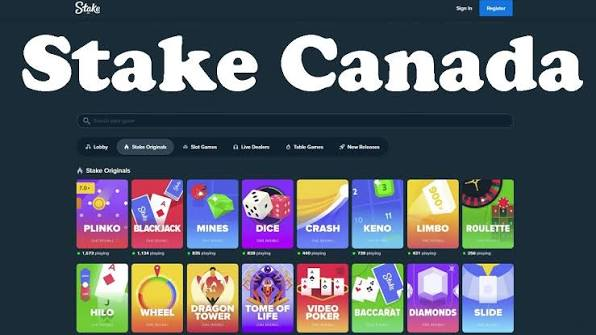
Stake Casino is one of the biggest crypto casinos in the world players in Canada can sign today and enjoy one of the best crypto betting experiences online
The Sunday Hyper PKO Showdown is a fast-paced progressive knockout tournament on WPT Global with a tiny ¥33 ($4.56) buy-in and a huge ¥1000000 ($137k) guaranteed prize pool. Thanks to its hyper-turbo structure you can expect nonstop action quick knockouts and the whole event to wrap up in roughly four hours—perfect for anyone seeking a thrilling Sunday poker fix without committing the entire day.
Stake.com Canada: My Unbiased Insights ➤ Is Stake Casino Canada Legit And Safe To Play In 2025 ➤ Betting Casino And Esports Offer Tested ➤ Read My Honest Review
Sake Casino is one of the leading online Casinos in Canada. The casino offers a massive bonus to new members and other promotions to existing players. With Stake Casino you can get a safe platform plus competitive odds and a cashback guarantee so every game is a winning ticket. Want to experience a thrilling gaming arena sign up now.
The game as we know it today first appeared in Paris in 1796 and quickly gained popularity throughout Europe especially in the casinos of Monte Carlo. The addition of the zero by Francois and Louis Blanc in the mid-19th century helped to increase the house edge and make the game more profitable for casinos.
One of the most popular theories is that the game was invented by a French mathematician named Blaise Pascal in the 17th century. According to this theory Pascal was attempting to develop a perpetual motion machine when he inadvertently created the roulette wheel. While this story is widely circulated there is little concrete evidence to support it.
What is the future of the game of roulette? Stake Canada Guide: Casino, Stake.com Access, Ontario & Legal Information
stake casino canada
Why Stake Is Blocked in France in 2026: The Truth Revealed
Stake Casino Review 2025 200% Bonus (July Offer)
Top Online Poker Tournaments to Watch and Play in 2025
- YouTube
Ottawa unloads its Air Canada stake cashing in on the airline’s 67-per-cent share price surge - The Globe and Mail
Faves Deliver In Monticello NYSS Splits
Stake Casino Canada Review 2025: Is it Legal? - LegalBet Canada
Lifezone Metals acquires BHPs stake in Tanzania nickel project
Wheres Stake Casino? Uncover Its Global Hideouts!
Who invented the game of roulette?
stake canada
Live Skype sex show with Ms Harlequin Sky - Camlust
Play Online Poker on Android: The 2025 Guide
Football legend Patrice Evra joins Stake as Global Ambassador Yogonet International
Can you Stake crypto in Canada?
Asset Class: A Path for Polymarket
Where Is Stake Available? Country Guide
- YouTube
Can I use Stake in Canada?
Lifezone Metals acquires BHPs stake in Tanzania nickel project
When and where was the game of roulette first played? The game as we know it today first appeared in Paris in 1796, and quickly gained popularity throughout Europe, especially in the casinos of Monte Carlo. The addition of the zero by Francois and Louis Blanc in the mid-19th century helped to increase the house edge and make the game more profitable for casinos.
Who invented the game of roulette? The exact origins of roulette are a subject of much debate and speculation among historians and gambling enthusiasts. While there is no clear consensus on the game’s inventor, several theories exist regarding its creation.
One of the most popular theories is that the game was invented by a French mathematician named Blaise Pascal in the 17th century. According to this theory, Pascal was attempting to develop a perpetual motion machine when he inadvertently created the roulette wheel.